Salmanda: The Handwritten Font That Elevates Small Business Branding
Running a small business means wearing many hats. You are the CEO, the marketer, the customer service rep, and often the designer too. In this chaotic landscape, consistency is your best friend. One of the most impactful yet overlooked ways to build a professional brand identity is through your choice of typography. After experimenting with dozens of typefaces for everything from product labels to social media graphics, I found that Salmanda has become my go-to script font for adding a touch of elegance without sacrificing readability.
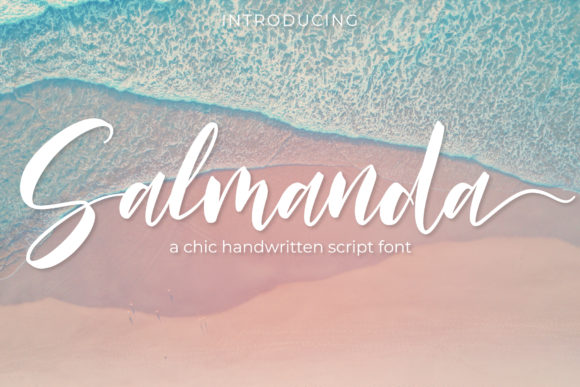
Salmanda isn’t just another decorative typeface; it is a carefully crafted script amp that feels equally charming and elegant. It captures the warmth of a handwritten note while maintaining the structure needed for clear communication. Whether you are designing wedding invitations, thank you cards, quotes, greeting cards, logos, business cards, or every other design which needs a handwritten touch, Salmanda delivers a polished look that resonates with customers. For entrepreneurs looking to elevate their visual presence, understanding how to integrate a premium font like Salmanda into your daily workflow can transform your brand from amateur to authoritative.
Why Personality Matters in Typography
Your brand voice isn’t just about the words you write; it is also about how those words look. A clean sans serif font might convey efficiency and modernity, but a script font like Salmanda communicates intimacy, care, and personal attention. This is crucial for businesses that rely on trust and emotional connection.
When I first started selling handmade goods online, my branding felt disjointed. I used different fonts for my Instagram posts, my packaging, and my website. It looked messy and unprofessional. Switching to a cohesive set of fonts, anchored by a strong display font like Salmanda for headlines and accents, immediately made my shop feel more established. Salmanda’s fluid strokes and natural rhythm mimic the human hand, which subconsciously signals to your customers that there is a real person behind the brand. This is particularly effective for boutique owners, café operators, and independent creators who want to highlight the artisanal nature of their work.
Real-World Applications for Salmanda
The versatility of Salmanda makes it suitable for a wide array of business materials. Because it is a script font, it works best when used strategically rather than as body text. Here is how I incorporate it into my daily operations:
- Logo Design and Brand Marks: Salmanda shines when used as the primary element in a logo for lifestyle brands. Its elegant curves create an instant impression of sophistication. It pairs beautifully with minimalist icons or simple line art.
- Packaging and Product Labels: For small batch products like candles, soaps, or baked goods, Salmanda adds a premium feel. Using it on a sticker label or directly printed on a box elevates the perceived value of the item. Customers are more likely to share photos of packaging that looks thoughtfully designed.
- Social Media Graphics: On platforms like Instagram and Pinterest, text overlays need to grab attention quickly. Salmanda works perfectly as a headline on quote graphics, promotional banners, or event announcements. Its legibility at larger sizes ensures that your message is read instantly.
- Customer-Facing Materials: Thank you cards, packing slips, and greeting cards are prime opportunities to leave a lasting impression. Writing "Thank You" or "With Gratitude" in Salmanda feels personal and heartfelt, fostering loyalty and encouraging repeat purchases.
- Digital Ads and Web Banners: When running paid ads, you have seconds to capture interest. A bold Salmanda headline can stop the scroll, especially for creative industries such as photography, coaching, or event planning.
Font Pairing for a Cohesive Look
One of the biggest mistakes new business owners make is using too many fonts. To maintain a professional appearance, it is essential to pair Salmanda with complementary typefaces. Since Salmanda is a creative font with distinct personality, it should be balanced with simpler, more readable fonts.
I typically pair Salmanda with a clean sans serif font for body text and secondary information. The contrast between the flowing script and the structured geometric lines creates visual interest without clutter. For example, if you are designing a menu for a café, use Salmanda for the dish names or section headers, and a highly legible sans serif font for the ingredients and prices. This ensures that customers can easily read the details while still enjoying the aesthetic appeal of the header.
Alternatively, pairing Salmanda with a classic serif font can create a timeless, editorial look. This combination works well for luxury brands, literary services, or high-end fashion boutiques. The key is to ensure that the weights and styles do not compete. Let Salmanda be the star for headlines, and let the supporting typeface handle the heavy lifting of information delivery.
Readability and Practical Testing
While Salmanda is beautiful, it is not always the right choice for every situation. Script fonts can sometimes be difficult to read at small sizes or from a distance. Before committing to Salmanda for your entire brand identity, it is crucial to test it in real-world scenarios.
- Mobile Screens: View your designs on a smartphone. Can users read the text clearly? If the script becomes muddy or illegible on a small screen, consider increasing the size or simplifying the text.
- Print Quality: Print a sample label or card. Sometimes, colors and textures change when moved from digital to physical media. Ensure that the fine details of Salmanda hold up in print.
- Contextual Fit: Place the font next to your other brand elements. Does it clash with your color palette or imagery? A font that looks good in isolation might look out of place in a full layout.
Testing helps you avoid costly reprints and ensures that your brand remains consistent across all touchpoints. Remember, the goal is to enhance communication, not hinder it.
Licensing and Commercial Use
As a business owner, protecting your brand legally is just as important as making it look good. Not all fonts are free for commercial use. Before using Salmanda on any product, packaging, template, merchandise, client work, or digital download, you must check the commercial font licensing agreement. Most premium fonts require a license that allows for commercial application, but the terms can vary significantly.
Investing in a proper license gives you peace of mind and supports the designers who create these valuable assets. It also ensures that your business is operating ethically and legally. Many font foundries offer affordable commercial licenses specifically for small businesses, making it accessible to integrate high-quality design tools into your budget.
Conclusion
Salmanda offers more than just aesthetic appeal; it provides a tool for building trust and recognition. By using this script amp strategically, you can create a brand identity that feels both professional and personal. Whether you are updating your website visuals, designing new packaging, or crafting social media content, Salmanda can help your small business stand out in a crowded market. Take the time to explore its capabilities, pair it wisely, and watch as your brand begins to resonate more deeply with your target audience.