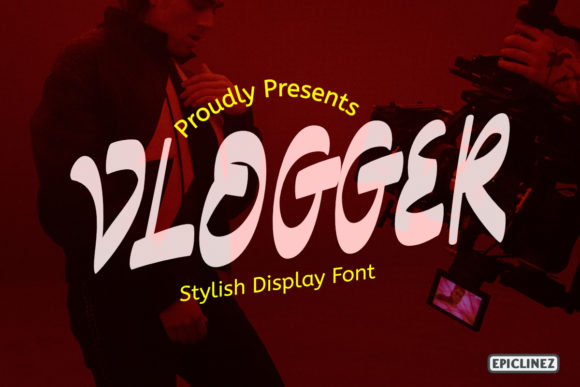
Vlogger Font: A Stylish Handwritten Typeface for Editorial Design
Fonts play a critical role in the visual and emotional tone of any publication. Whether you're designing a blog post, crafting an ebook cover, or creating engaging newsletter headers, the right typeface can elevate your content from ordinary to memorable. Enter Vlogger, a bold and casual handwritten font that brings warmth and personality to editorial design without sacrificing clarity. Developed by Script Amp, Vlogger is more than just a decorative script—it’s a versatile tool for content creators who want their typography to reflect authenticity and creativity.
What Makes Vlogger Unique?
Vlogger stands out with its natural, expressive strokes and confident rhythm. The font has a modern handwritten feel that avoids the overused "cursive" aesthetic while maintaining legibility at larger sizes. Its boldness makes it ideal for drawing attention, and its casual style fits well into lifestyle, creative, and personal branding contexts. Unlike many script fonts that become illegible when used for extended text, Vlogger maintains a clean structure that allows it to be read easily when used in short bursts—such as titles, pull quotes, or section headers.
Visual Characteristics and Style
Vlogger combines the spontaneity of handwriting with the precision of digital typography. It features open counters, consistent baseline alignment, and subtle variations in stroke width that give it a dynamic yet professional look. These characteristics make it especially effective in designs where a human touch is desired but readability remains key. Its informal yet polished appearance helps create a sense of approachability, which is essential for content that aims to connect with readers on a personal level.
Applications in Editorial Design
The beauty of Vlogger lies in how it enhances the visual hierarchy of your layout. Here are several practical uses across different publishing formats:
- Blog Headers: Use Vlogger for blog post titles to add a unique flair that invites readers to explore further. Its bold nature ensures visibility even in mobile views.
- Magazine Covers: With its eye-catching style, Vlogger is perfect for magazine covers, especially those targeting creative industries like fashion, travel, or wellness.
- Ebook Titles: For self-published authors, Vlogger offers a fresh alternative to traditional serif or sans-serif fonts, helping books stand out in competitive markets.
- Newsletter Graphics: Incorporate Vlogger into featured headlines or promotional banners within newsletters to guide the reader's eye and highlight important content.
- Quote Layouts: When presenting motivational messages or testimonials, Vlogger adds character and emotion, making the quote more impactful.
- Chapter Openers: In print and digital publications, using Vlogger for chapter headings introduces a thematic shift with visual interest.
- Printable Guides & Lead Magnets: From worksheets to planners, Vlogger can enhance titles and subheadings, giving your downloadable assets a creative edge.
Supporting Brand Identity
Consistency is vital in building a strong brand identity. If your publication or blog relies on a warm, personal tone, Vlogger can serve as a signature element in your design system. It works particularly well alongside minimalist layouts, neutral color palettes, and photography-based backgrounds. By using Vlogger repeatedly across headers, logos, and feature sections, you reinforce a cohesive visual language that becomes instantly recognizable to your audience.
Choosing the Right Typography Context
While Vlogger shines in display settings, it's not recommended for body text due to its script nature. However, this limitation doesn’t restrict its usefulness. Instead, focus on using it for:
- Headlines and subheadings
- Pull quotes and call-out boxes
- Section dividers and chapter openers
- Accent typography in infographics or sidebars
- Logo design and title treatments for lead magnets or course landing pages
In each of these roles, Vlogger contributes to a clear visual hierarchy. Readers naturally gravitate toward bold, expressive headers, especially when they’re crafted with a premium font like Vlogger. This helps break up long blocks of text and makes content more scannable and digestible.
Readability Across Formats
One of the most important considerations for any font is how it performs across different mediums. Vlogger excels in digital environments such as web design and social media graphics, where screen readability and responsiveness matter. Its structure holds up well on mobile devices, ensuring that your headers remain legible and visually appealing regardless of the viewport size. In PDF exports and print, Vlogger also retains its charm and clarity, making it a reliable choice for both digital downloads and physical publications.
Font Pairing Tips for Editorial Use
To maintain balance in your layouts, consider pairing Vlogger with a clean, highly readable typeface for body copy. A classic serif font like Georgia or Times New Roman can complement Vlogger's boldness with elegance, while a modern sans serif like Lato or Montserrat provides contrast with crisp, straightforward forms. For captions, navigation menus, or footnotes, opt for a smaller weight of a sans serif font to ensure functionality and avoid overwhelming the reader.
Practical Examples of Vlogger in Action
Let’s imagine some real-world scenarios where Vlogger could enhance your content:
- Lifestyle Blog: A blog about mindfulness and daily routines could use Vlogger for article titles and featured headers to evoke a personal, handwritten journal-like feel.
- Recipe Ebook: Use Vlogger for recipe titles or chapter headers to give the publication a friendly, inviting tone that matches the craft of cooking.
- Wedding Guide: For printable wedding checklists or planning templates, Vlogger can be used to highlight key sections, making the information more engaging and visually distinct.
- Coaching Workbook: As part of a digital or printed coaching program, Vlogger can help personalize action steps or reflection prompts, adding a human element to structured content.
- Digital Magazine: Feature Vlogger in editorial spreads or issue-specific headers to differentiate topics and add a creative stamp to each page.
- Printable Planner: Add Vlogger to weekly goals or motivational phrases within your planner to inspire users and give your design a custom, handcrafted vibe.
- Creator Newsletter: Stand out in crowded inboxes by using Vlogger for subject lines or header graphics. It can make your brand feel more authentic and relatable.
Design Assets and Multilingual Support
When choosing a font for international projects, multilingual support is essential. Fortunately, Vlogger includes a broad range of glyphs and ligatures suitable for multiple languages, making it a solid option for global audiences. Additionally, if the font comes with alternate characters or stylistic sets, these can be used creatively to vary the look of repeated words or phrases across your content without losing consistency.
Commercial Licensing Considerations
If you plan to use Vlogger in commercial projects—such as paid ebooks, client publications, or branded templates—it’s crucial to verify the licensing terms. Many premium fonts offer flexible commercial licenses that allow use in printables, digital products, and even resellable design kits. Always check what is included in the license before distributing your work to ensure compliance and protect your credibility as a designer or publisher.
Enhancing Mood and Tone with Typography
Fonts influence how readers perceive your message. Vlogger’s handwritten style conveys informality, creativity, and approachability. This makes it ideal for content that wants to feel less corporate and more conversational. Whether you're writing a personal blog or launching a new course, using Vlogger strategically can help shape the mood of your publication and encourage deeper engagement.
Final Thoughts on Typographic Consistency
Good editorial design isn’t just about aesthetics—it’s about guiding the reader through your content with intention. Vlogger serves as a powerful accent in this process, helping you establish a unique voice and visual tone. While it may not replace your primary body font, it plays a crucial role in reinforcing your brand identity and improving the overall reading experience. When used thoughtfully, Vlogger can transform static text into something that feels alive, intentional, and worth exploring.